
Master the Art of Capturing Underwater Scenes + Lighting Tricks
The Magic of Underwater Photography
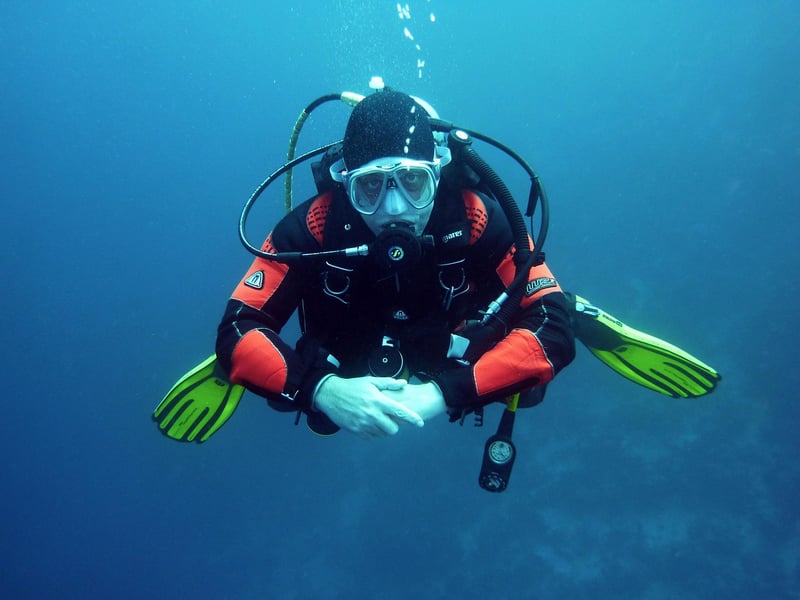
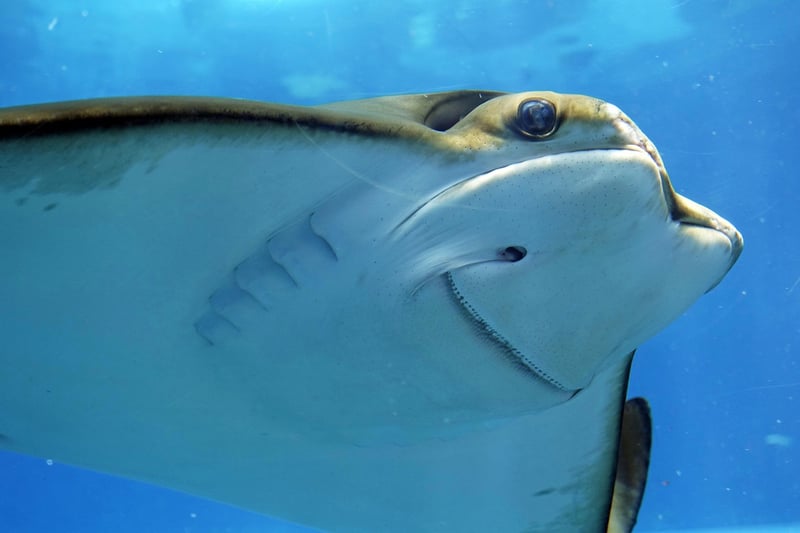
Underwater photography allows you to explore a mesmerizing world beneath the surface, capturing the beauty of marine life and underwater landscapes. To master this art, it's crucial to understand the unique challenges and techniques involved in capturing stunning underwater scenes.
Essential Equipment for Underwater Photography
Before diving into the depths, ensure you have the right gear:
- Underwater camera or waterproof housing for your existing camera
- Sturdy underwater housing for your lighting equipment
- Wide-angle and macro lenses for versatility
- External strobes or continuous lighting for proper illumination
- Color correction filters for vibrant and accurate colors
Tips for Capturing Stunning Underwater Shots
- Master Buoyancy: Achieve neutral buoyancy to stabilize yourself and avoid disturbing marine life.
- Adjust White Balance: Set the appropriate white balance or use filters to correct color casts underwater.
- Get Close and Low: Approach your subjects closely and shoot from a low angle for impactful shots.
- Use Natural Light: Utilize natural light for atmospheric effects, especially during golden hours.
- Experiment with Composition: Play with framing, leading lines, and negative space to create compelling visuals.
Lighting Tricks for Underwater Photography
Proper lighting is key to enhancing the beauty of underwater scenes. Here are some lighting tricks to elevate your underwater photography:
1. Use Strobes or Continuous Lighting
External strobes or continuous lighting help illuminate your subjects and add depth to your images. Experiment with different lighting angles to create shadows and highlights.
2. Avoid Backscatter
To reduce backscatter (unwanted specks caused by light reflecting off particles in the water), position your strobes correctly and use a higher aperture to control depth of field.
3. Harness Natural Light
Embrace natural light filtering through the water to create ethereal and dreamy effects in your photos. Experiment with shooting upwards towards the surface for stunning silhouettes.
Conclusion
Mastering the art of capturing underwater scenes requires a blend of technical skills, creative vision, and a deep appreciation for the aquatic world. With the right equipment, techniques, and lighting tricks, you can create breathtaking underwater photography that truly captures the magic beneath the waves.